Tree Bracing
Tree Bracing and Support Systems in Wanaka
Where limbs and even whole leaders pose a safety concern but the tree's form needs to be preserved, bracing in combination with a weight reduction is a good option. This can involve fixing cables or ropes between different parts of the tree so that wind loading is shared more evenly throughout the canopy.
Keeping the tree
A way to keep a tree that would otherwise have to go
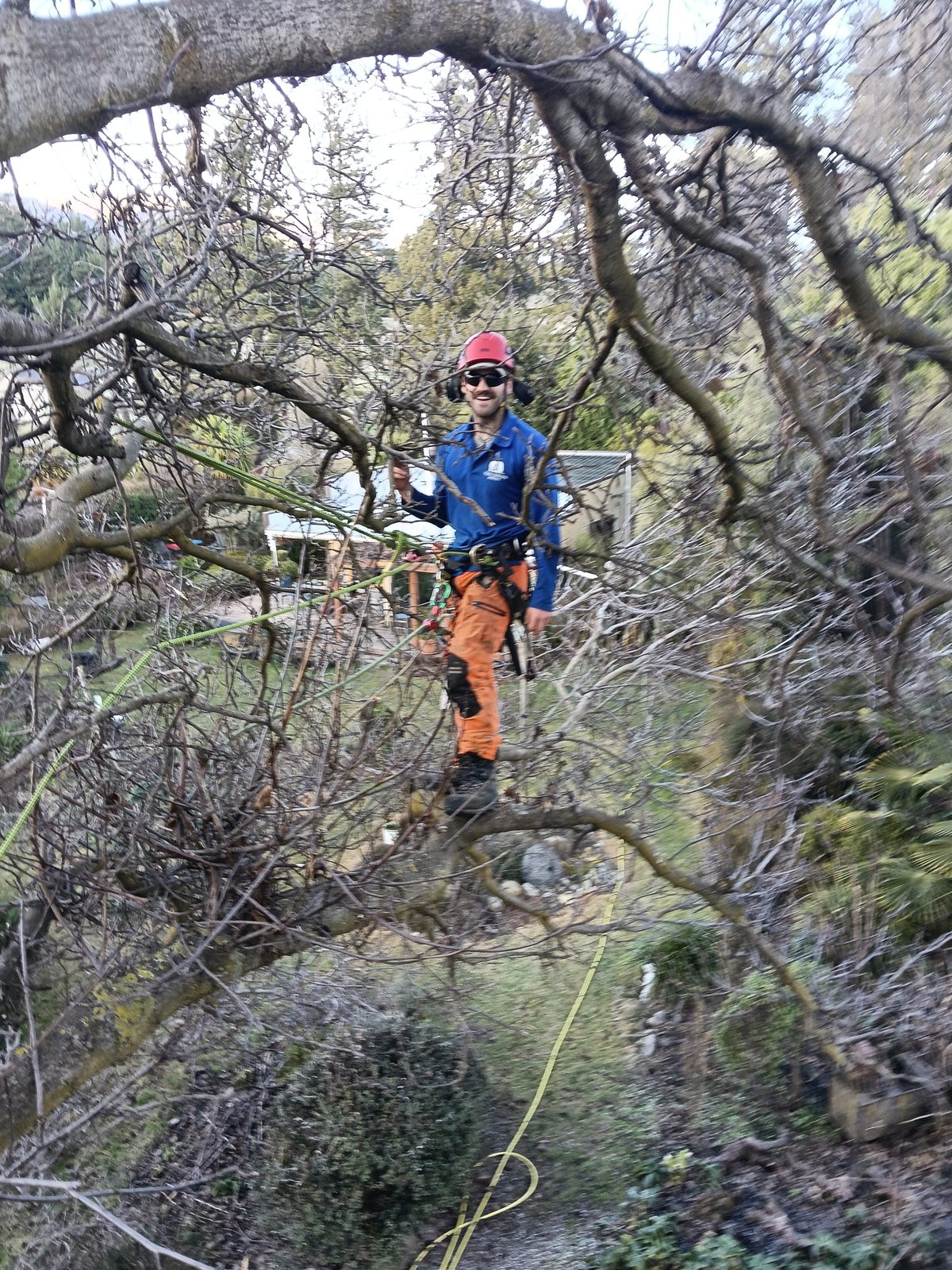
Some of the best trees in a garden are also the ones with a weak point: two leaders that grew up side by side with bark trapped between them, a long limb reaching out over the lawn, a crown that has got too heavy for the fork it sits on. Left alone, that is the branch that comes down in the next big wind. Removing the whole tree solves the problem and loses the tree.
Bracing is the middle road. Cables or ropes are fixed high in the crown between the parts that could split, so that wind loading is shared more evenly through the canopy, and the weight on the weak point is reduced with careful pruning at the same time. It can be a good option for those European trees which grow too fast for their own good in this climate.
How a support system works
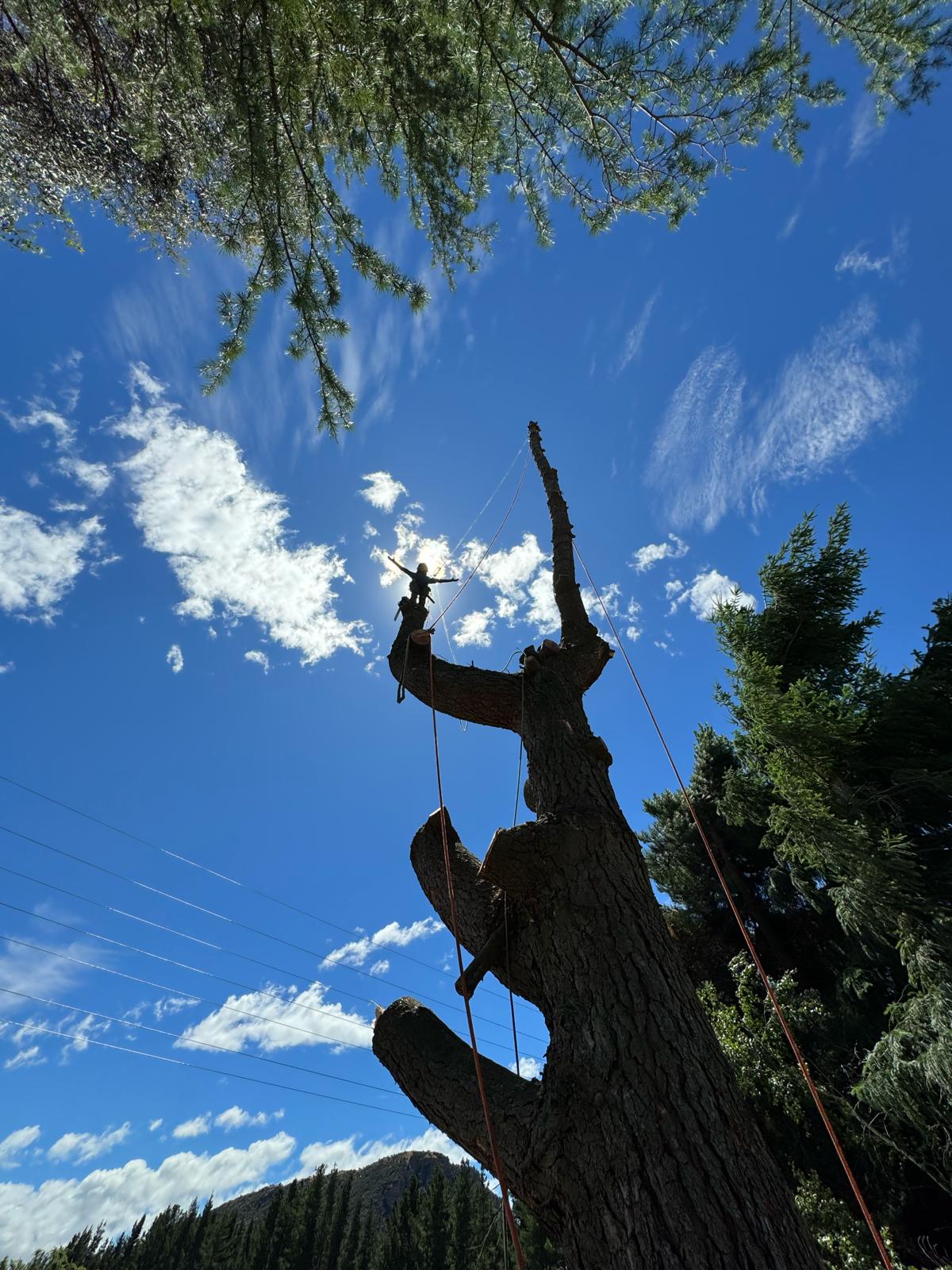
How a bracing job runs
Assess the tree
A free look at the tree, the union or limb in question, the species and how sound the wood is. Not every tree can be braced, and we will say if removal or a reduction alone is the better answer.
Reduce and install
The weight is taken off the problem limbs first, then the cable or rope system is installed in the crown at the right height and tension.
Check and return
We leave you with a note of what was installed and when it should next be looked at, and we come back to inspect it.
What affects the price and timing
Bracing is priced on the climb, the amount of weight reduction needed and the hardware installed. One cable in a medium-sized tree is a modest job; a large old tree with several leaders and a lot of weight to come off is a full day. Because the hardware is in the crown, access and the condition of the tree set how long the climb takes.
Bracing can be done at any time of year, and it is far better done before the branch fails than after. If you can see a crack opening at a fork, or a limb that has started to sag, that is the moment to call. Where the problem is only weight at the ends of the branches, a crown reduction alone may be enough; where the tree is already failing, honest removal may be the safer answer.
Tree bracing questions
Which trees are usually braced?
Big deciduous trees with two or more leaders are the classic case: oaks, elms, limes, planes, poplars and willows, and fast-growing European species that put on weight quicker than their forks can carry. Fruit trees with heavy limbs and old pines with a split top are also candidates.
Does bracing make the tree completely safe?
No support system removes all risk, and not every tree can be braced. What bracing does is take a weak point that would otherwise fail and share its load, so the tree can be kept with a much lower chance of a limb coming down. We tell you plainly if a tree is past that point.
Does the hardware damage the tree?
Steel systems are bolted through the wood and the tree grows around them. Synthetic rope systems are fitted around the limb without drilling. Both are standard practice; the right one depends on the tree and the load.
How long does a brace last?
Years, with inspection. Trees grow and hardware ages, so a braced tree should be checked every few years and the system adjusted or replaced when it needs to be.
Can you brace a tree that has already split?
Sometimes. If the split is fresh and the wood on either side is sound, a rod and cable can hold it. If the split has let decay in, the honest answer may be a reduction or removal.
The evidence
What the research says about cabling and bracing
Purdue University's guide to cabling and bracing large trees describes the same approach we take: support systems reinforce the weak areas of a tree by limiting how far branches or leaders can move, they are usually combined with corrective pruning, and they work best on codominant stems and overextended limbs. It is also clear that not all risk can be removed by a brace, that not every tree is a candidate, and that a qualified arborist should decide whether a tree is suitable.
That assessment is free. Call and we will look at the tree with you.
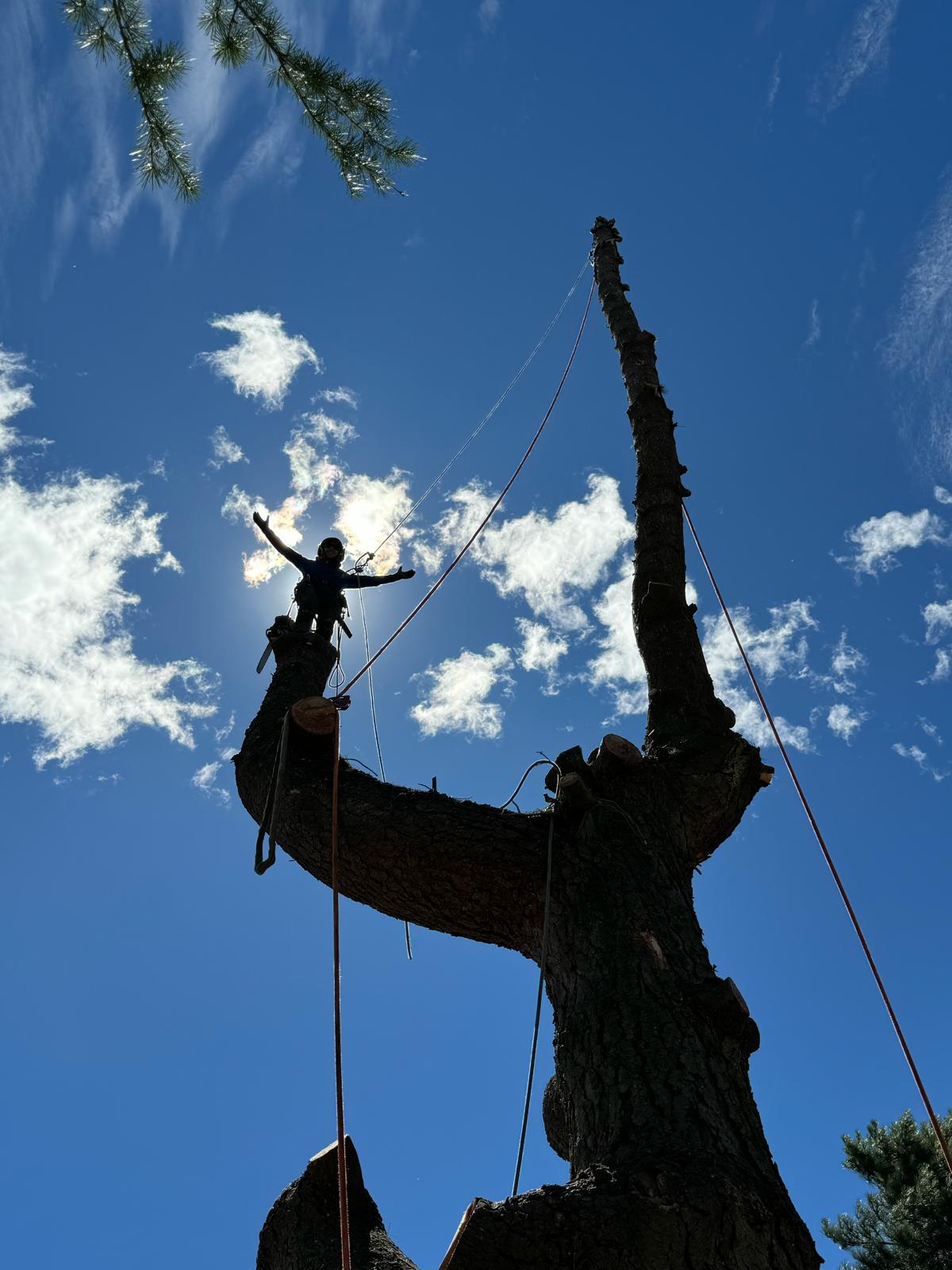
Contact us for a free consultation or some friendly advice
Its our mission to help keep trees healthy and our customers happy.
Our other services
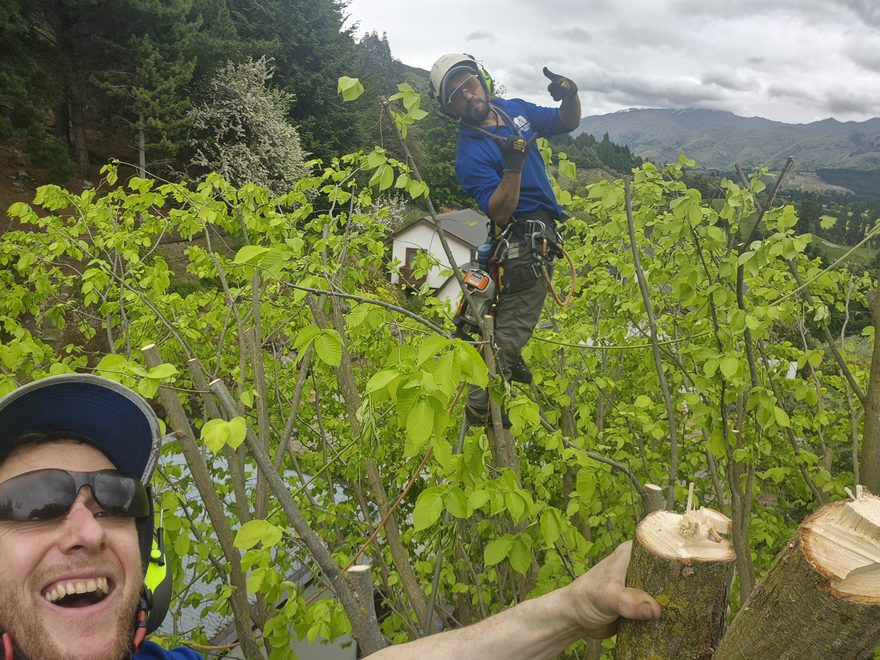
Tree Pruning
Whatever your requirements, be it for reasons of form, light, safety or aesthetics we want to provide a tree pruning solution for you.Read more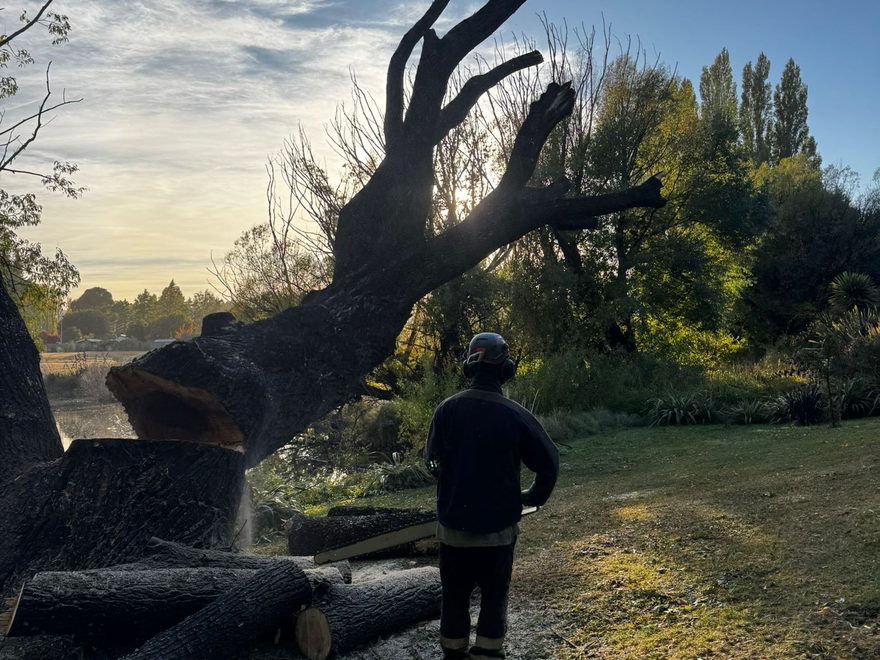
Tree Removal
Whether it is a straight forward fell or a controlled dismantle in a delicate space, we have the skills and equipment to get the job done safely and efficiently.Read more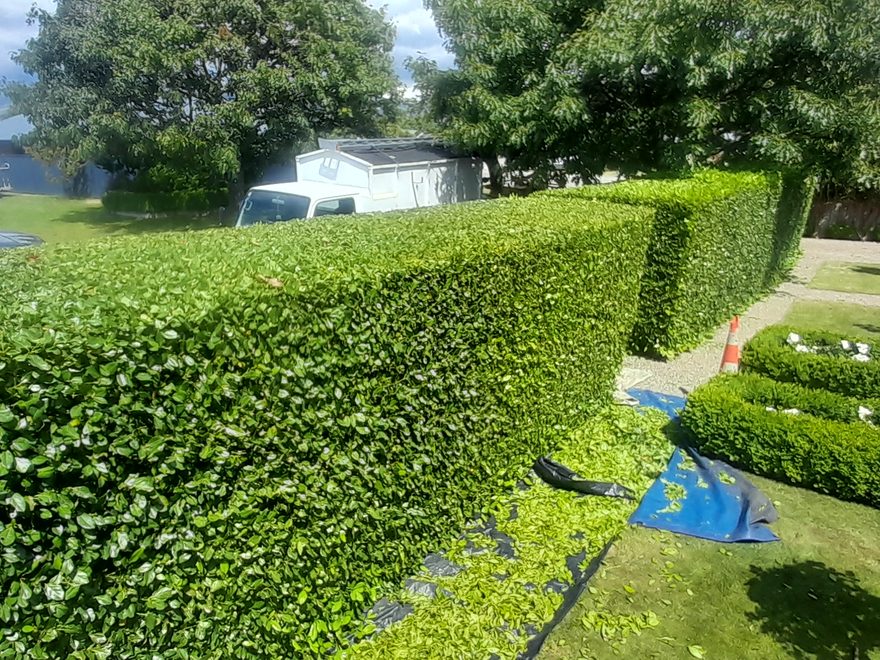
Hedge Trimming
We are expert hedge trimmers and can access those more difficult ones that you or your gardener don't want to tackle!Read more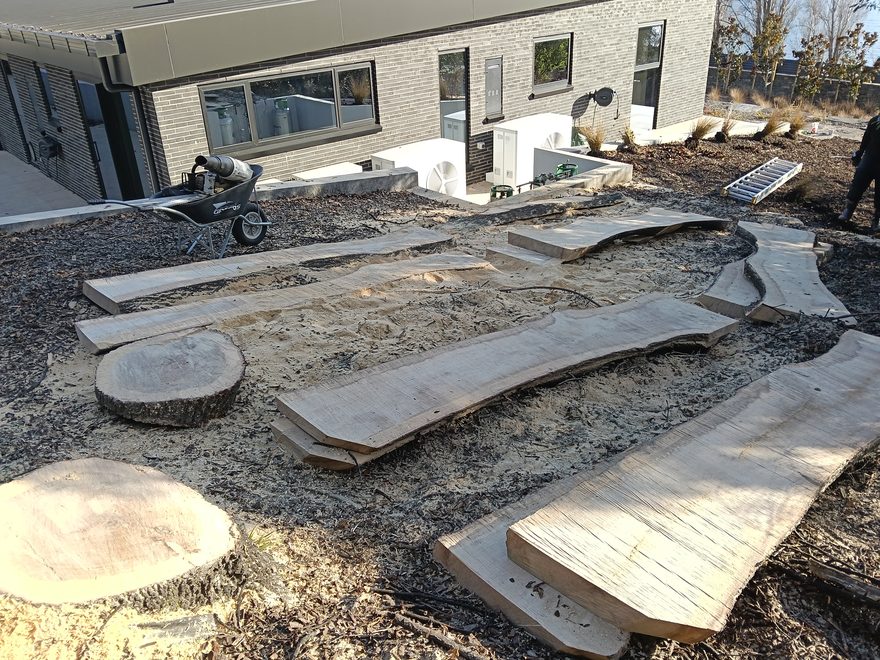
Log Milling
Too good for firewood? We can slab your valuable timber and help stack it for drying on your property.Read more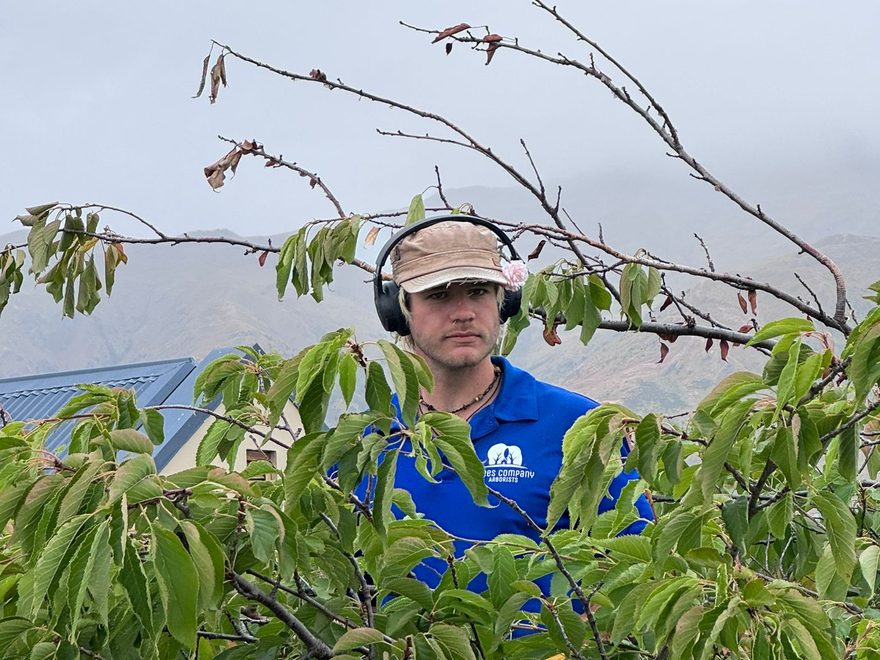
Tree Planting
We can advise you on species and location. Source trees and protection systems and if you would like we can plant, or help you plant them too.Read more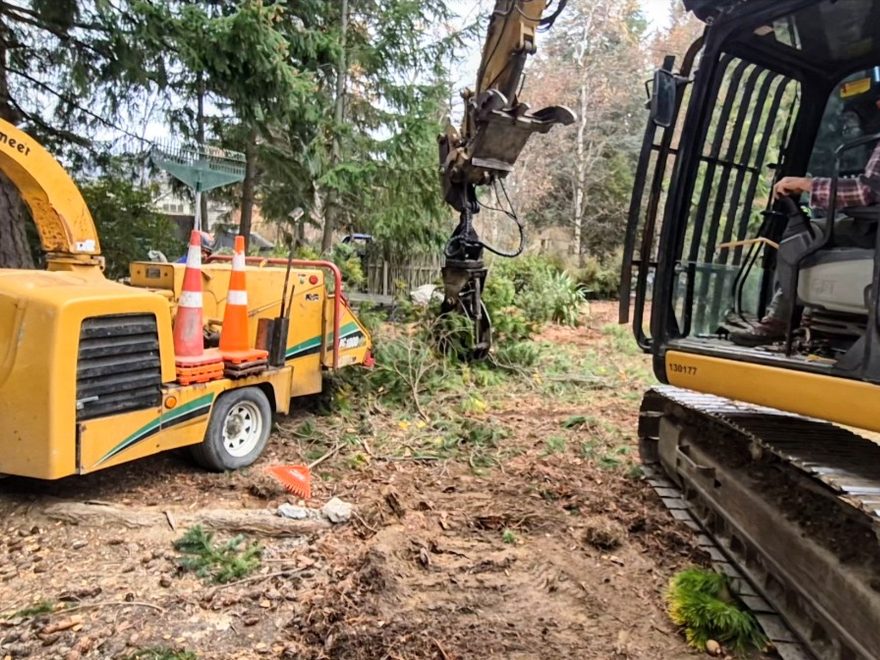
Wood Chipping
Whether its work that we have done or trees you have cut your self we can turn them into wood chip mulch.Read more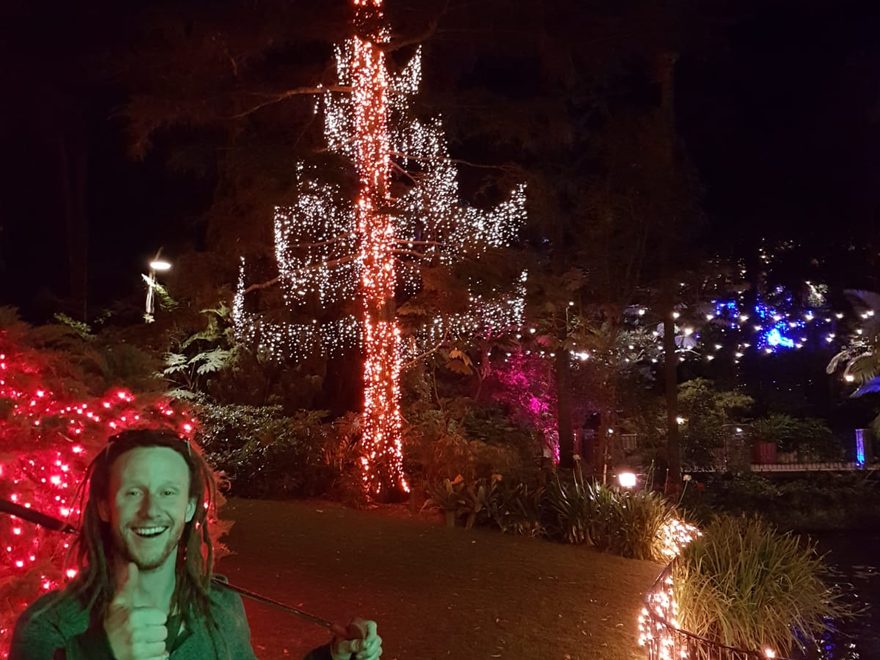
Tree Installations
We can help install lights, bird boxes, zip lines, rope swings or rescuing cats and drones. Any excuse to climb a tree!Read moreFree consultation
Contact us
Contact us for a free consultation or some friendly advice
027 516 6690- Wanaka, Otago
- Mon-Fri: 7am - 5pm
- info@treescompany.co.nz