Log Milling
Log Milling in Wanaka
Too good for firewood? We can slab your valuable timber and help stack it for drying on your property.
Timber worth keeping
A felled tree does not have to become firewood
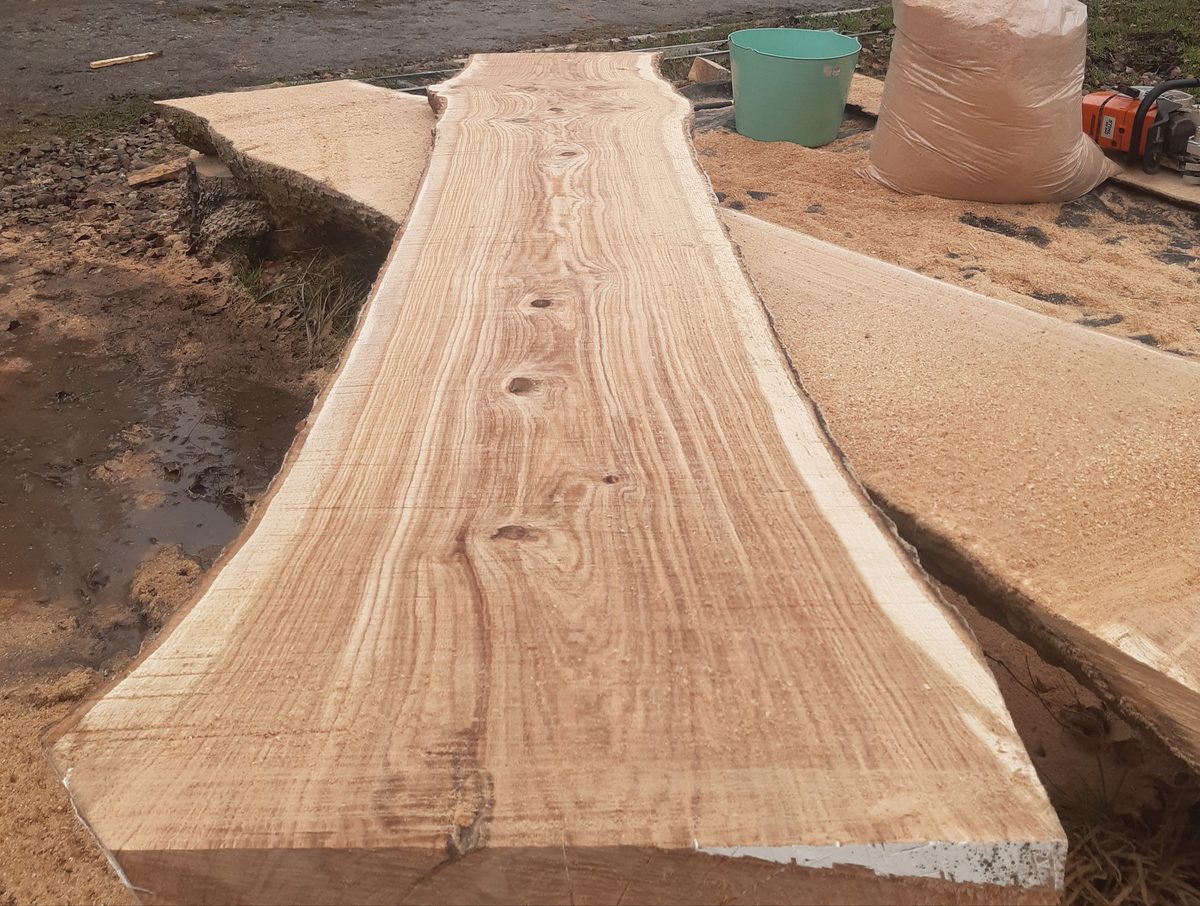
Some trees that come down are worth far more as timber than as a winter's heat. A big old walnut, elm, oak, macrocarpa, cedar or gum, cut into live-edge slabs, becomes a dining table, a bench, a bar top or a mantelpiece with the tree's own history in it. Milling it where it fell saves the cost and the heartache of trucking a log that is too heavy to lift.
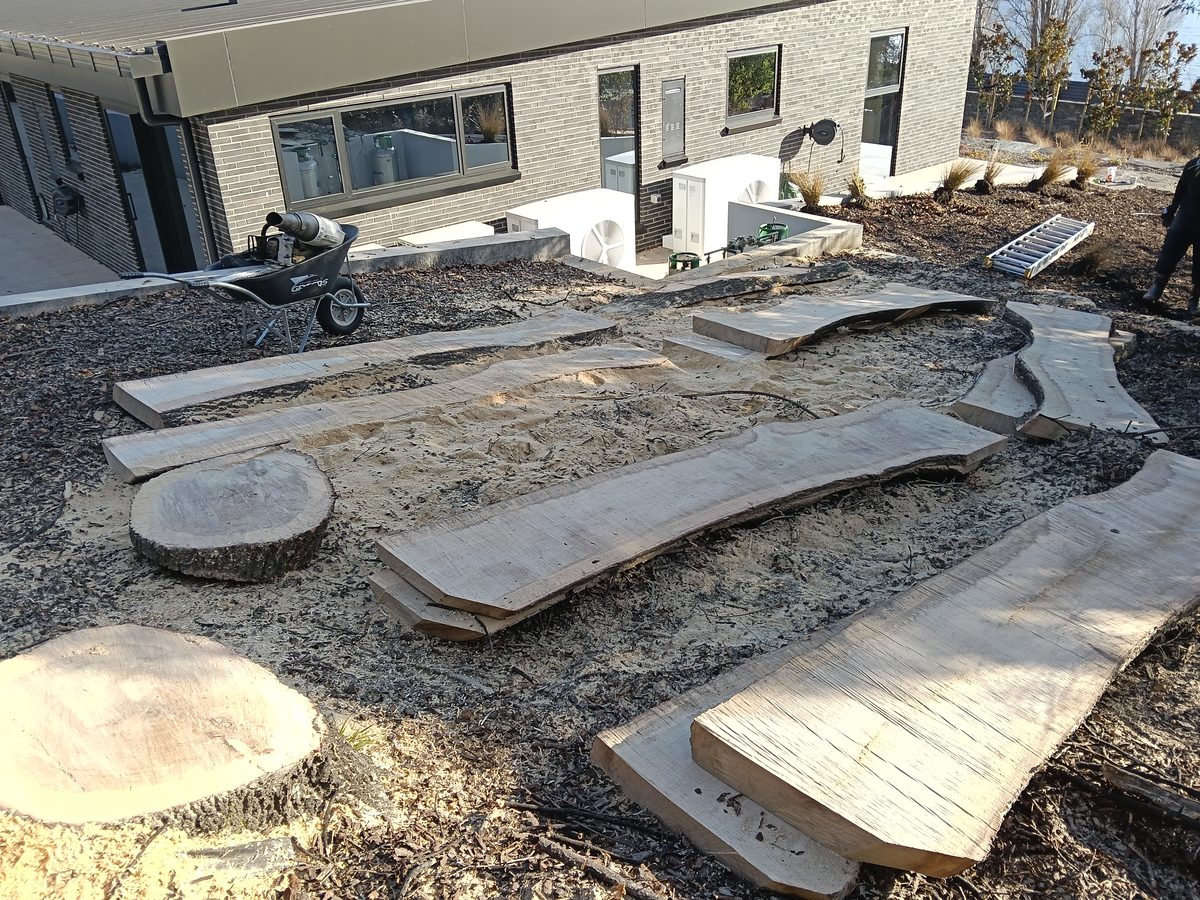
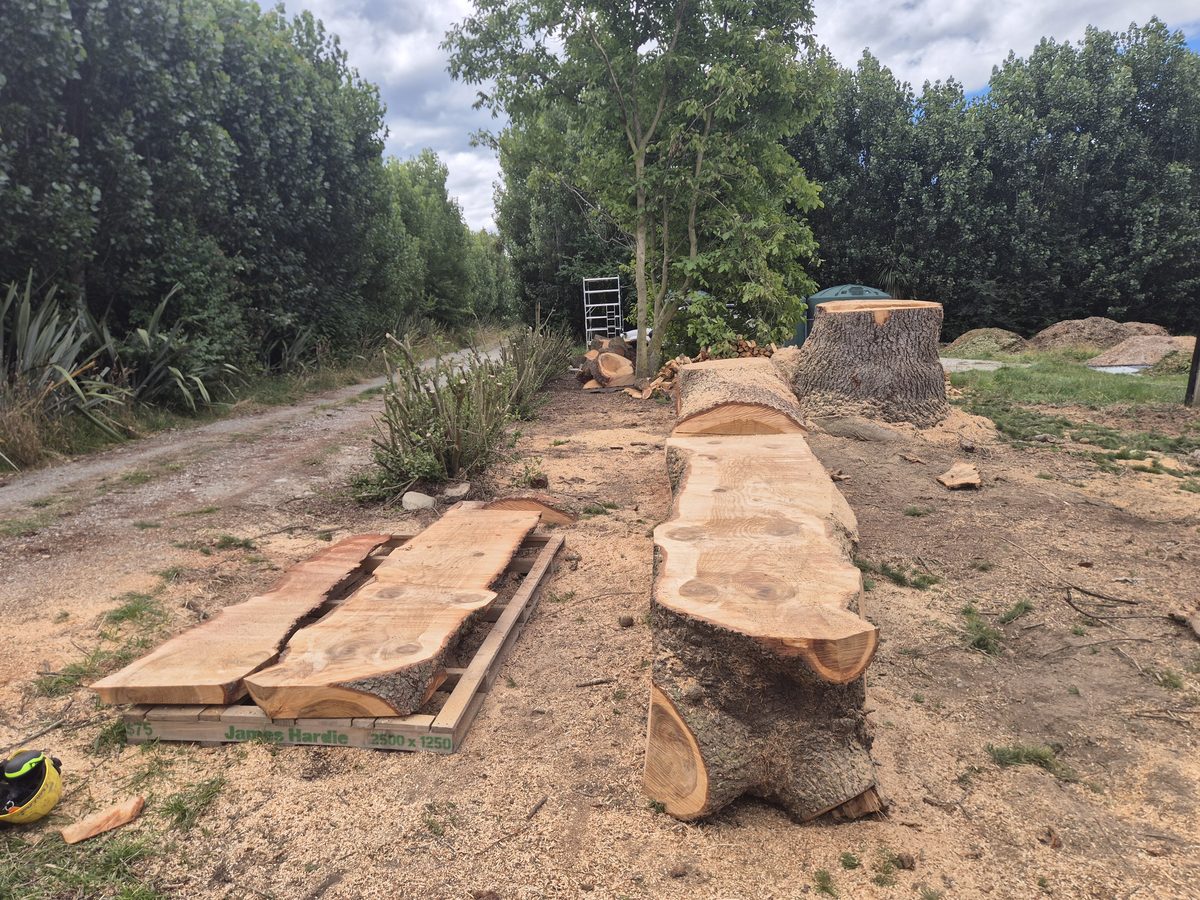
We slab logs on site with a chainsaw mill, cut to the thicknesses you want, and help you stack the slabs properly so they dry straight. What was going to be a problem to get rid of becomes something you keep.
What milling involves
What affects the price and timing
Milling is priced on the size of the log, the number of cuts and how long the chainsaw mill runs. Hard, dense timbers take longer per cut than softwoods. A log that is already on the ground in an accessible spot is quicker to set up than one that has to be moved. If the tree still has to come down, the removal and the milling are usually quoted together.
The slabs themselves are the slow part. Thick timber dries at roughly a year for every two to three centimetres of thickness when air dried, and most furniture makers want it drier still, so plan on the stack sitting for a while. We will leave it stacked correctly so that time is not wasted.
If the rest of the tree is going through the chipper, our wood chipping service turns the branches into mulch on the same day.
Log milling questions
Which trees are worth milling?
Hardwoods and the better softwoods: walnut, elm, oak, ash, macrocarpa, cedar, redwood, eucalyptus and sequoia all mill well. Poplar and willow are light and soft but can still make shelving. Pine mills well but is rarely worth it in small quantities. The soundness and straightness of the log matter as much as the species.
How thick should the slabs be?
For table tops, 50 to 75 millimetres allows for shrinkage and flattening. Benches and shelves can be thinner. Thicker slabs take longer to dry. We will cut to what you have in mind.
How long does the timber take to dry?
Air drying is slow: months to a year or more, depending on species, thickness and the weather. Central Otago's dry air helps. Timber for fine furniture often goes to a kiln at the end to finish it off.
Can you mill a log that is already down?
Yes. If the log is on the ground and we can get the mill to it, that is the easiest job of all. Logs that have been lying in wet grass for years may have started to rot, so we check first.
Can you cut fence posts and beams?
Yes. Dimensional timber for posts, rails, beams and sleepers can be cut from the same log; macrocarpa is the favourite for that work.
Drying the timber
Stacking slabs so they dry straight
How the slabs are stacked decides whether they dry flat or twist. Oregon State University's guide to air drying timber sets out the rules we follow: dry, evenly sized spacers lined up through the stack, the stack raised well off the ground for airflow, weight on top, and a cover that keeps the rain and direct sun off while the air moves through. It also notes that air drying takes from several months to almost a year, depending on the wood and the weather.
We stack the slabs that way before we leave, so the drying starts properly on day one.
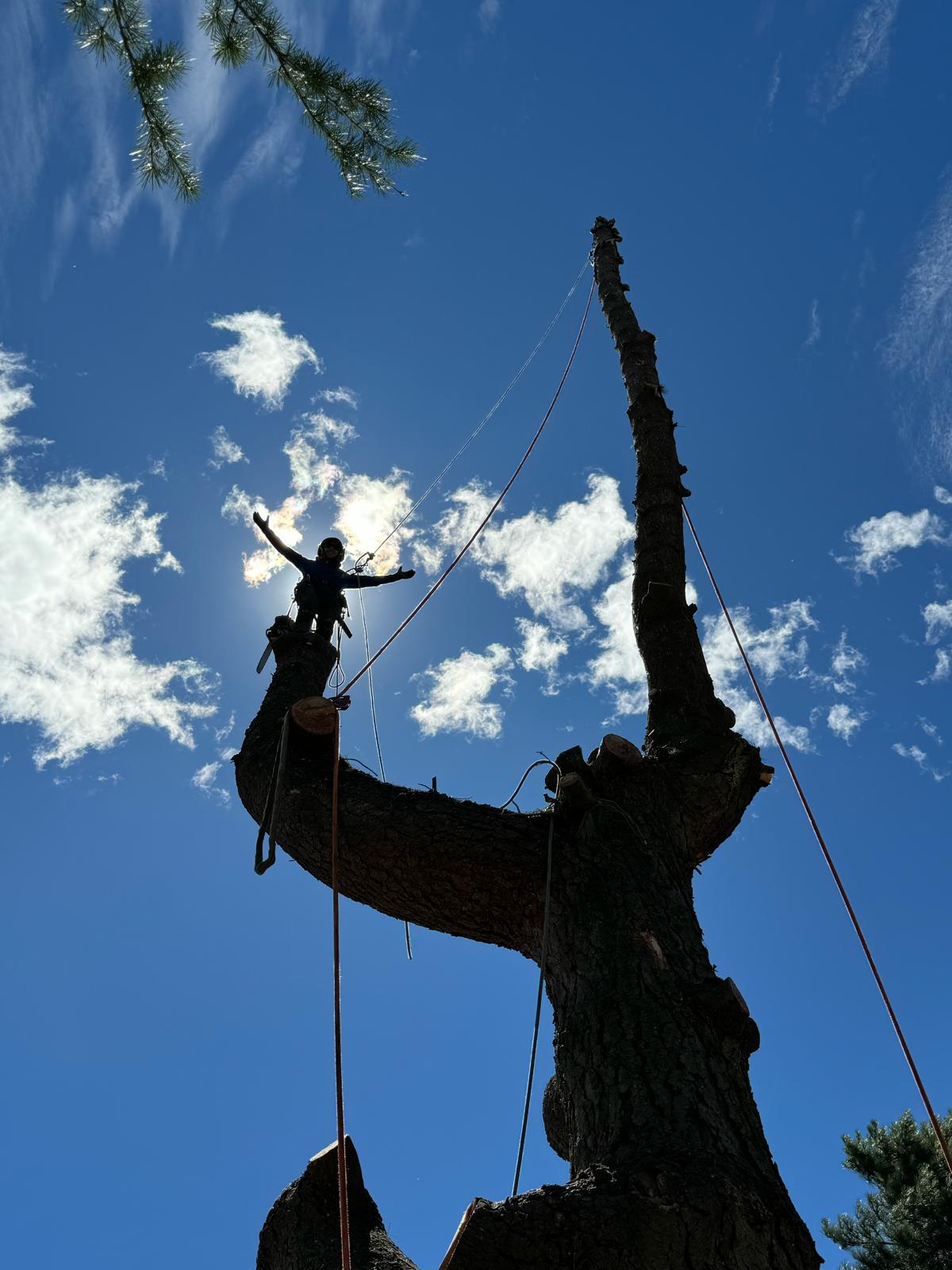
Contact us for a free consultation or some friendly advice
Its our mission to help keep trees healthy and our customers happy.
Our other services
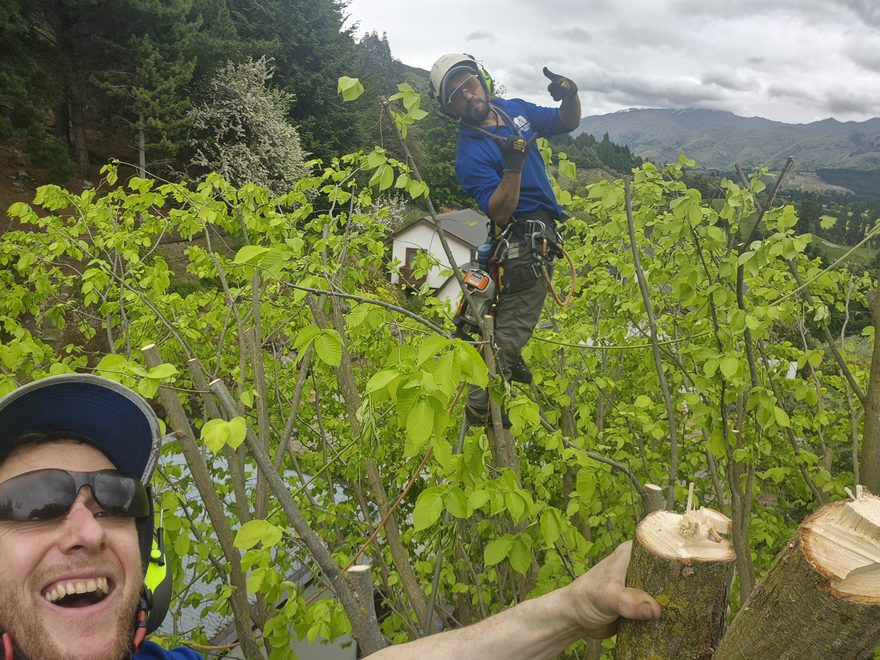
Tree Pruning
Whatever your requirements, be it for reasons of form, light, safety or aesthetics we want to provide a tree pruning solution for you.Read more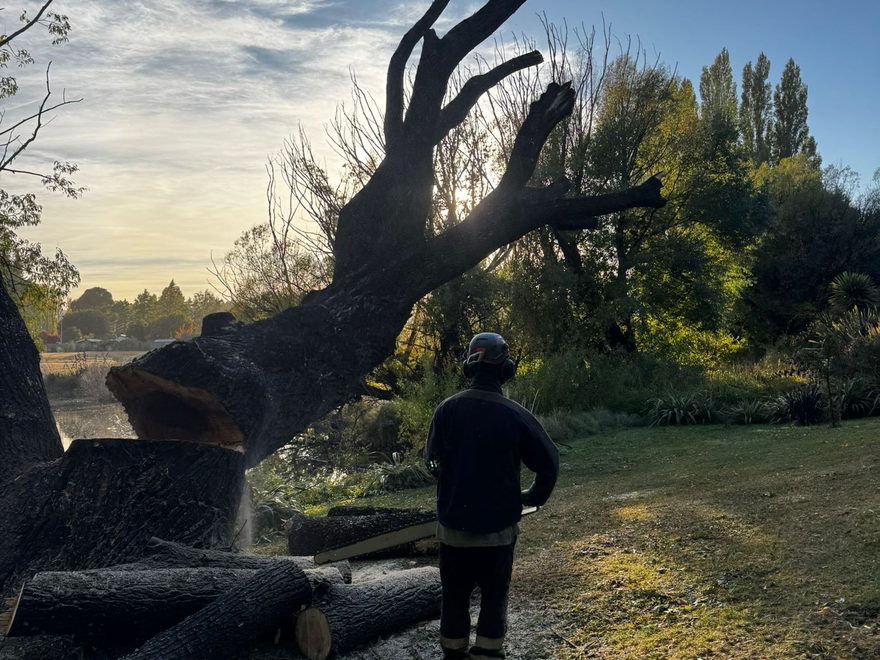
Tree Removal
Whether it is a straight forward fell or a controlled dismantle in a delicate space, we have the skills and equipment to get the job done safely and efficiently.Read more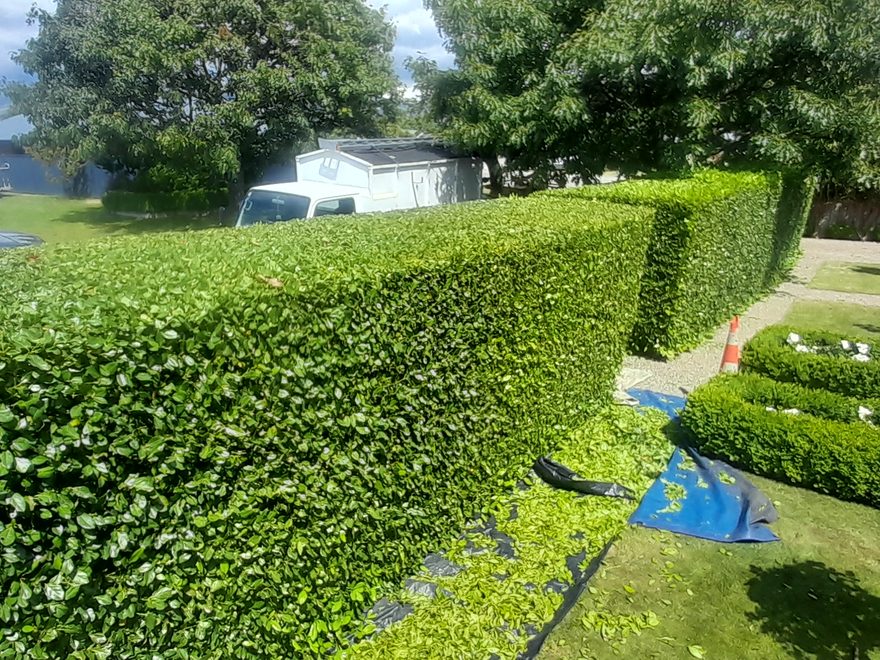
Hedge Trimming
We are expert hedge trimmers and can access those more difficult ones that you or your gardener don't want to tackle!Read more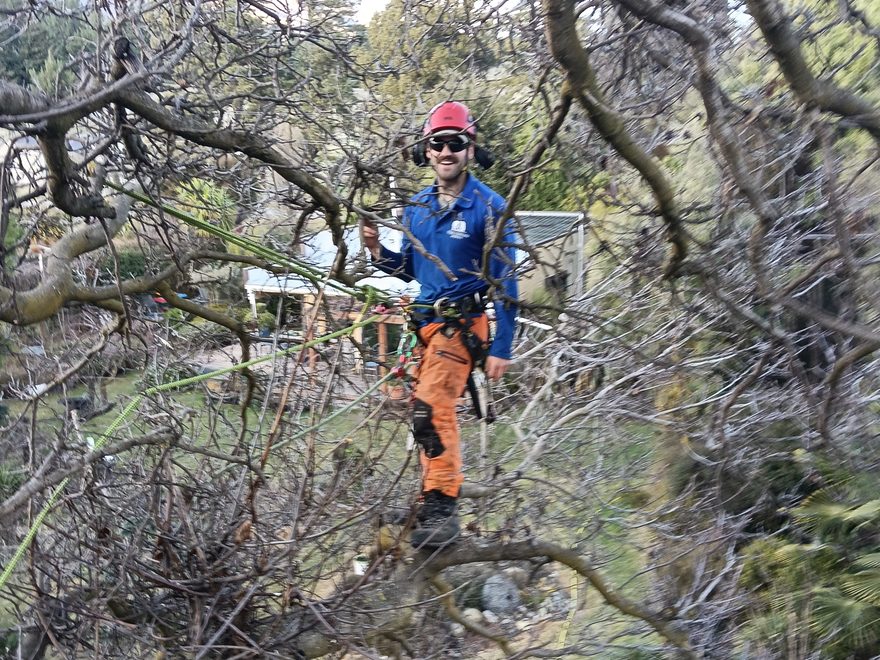
Tree Bracing
Where limbs and even whole leaders pose a safety concern but the tree's form needs to be preserved, bracing in combination with a weight reduction is a good option.Read more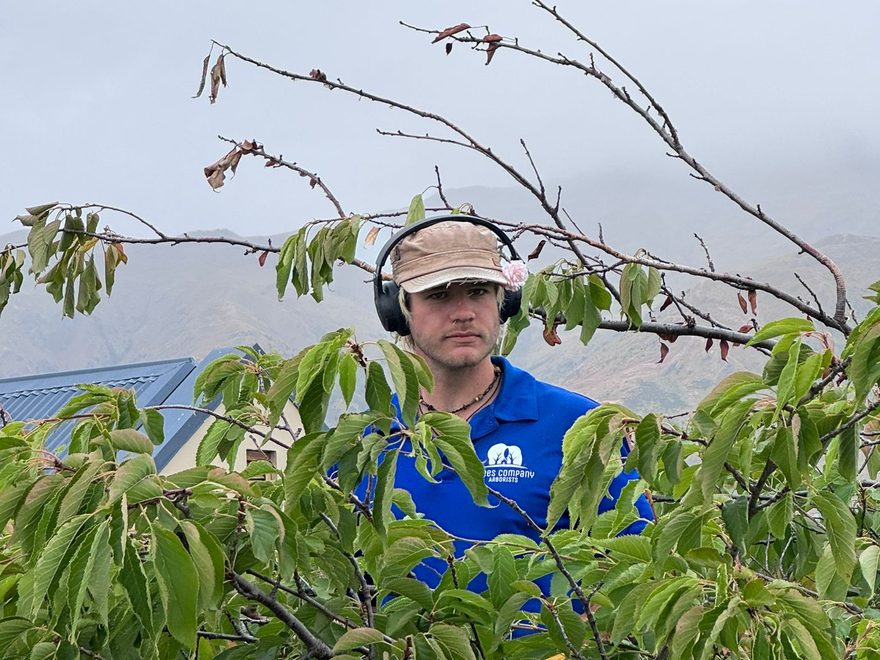
Tree Planting
We can advise you on species and location. Source trees and protection systems and if you would like we can plant, or help you plant them too.Read more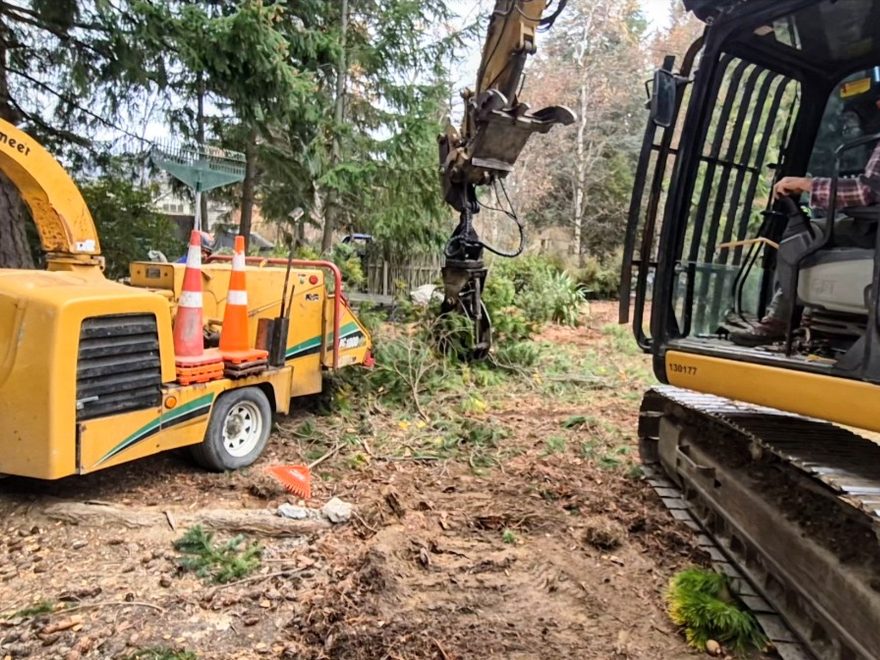
Wood Chipping
Whether its work that we have done or trees you have cut your self we can turn them into wood chip mulch.Read more
Tree Installations
We can help install lights, bird boxes, zip lines, rope swings or rescuing cats and drones. Any excuse to climb a tree!Read moreFree consultation
Contact us
Contact us for a free consultation or some friendly advice
027 516 6690- Wanaka, Otago
- Mon-Fri: 7am - 5pm
- info@treescompany.co.nz